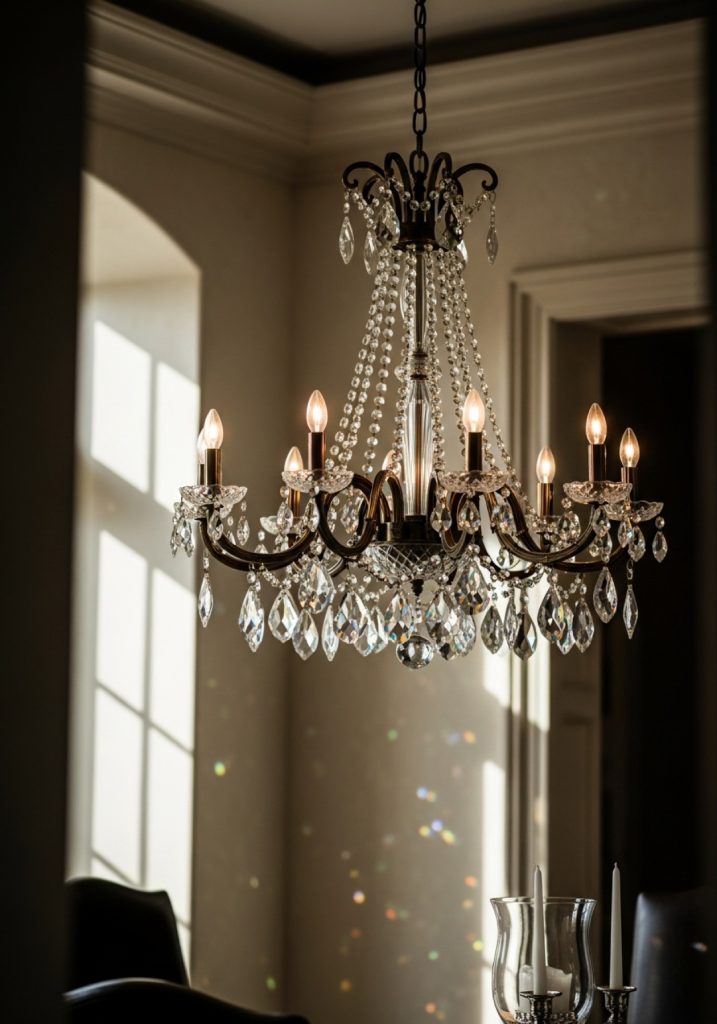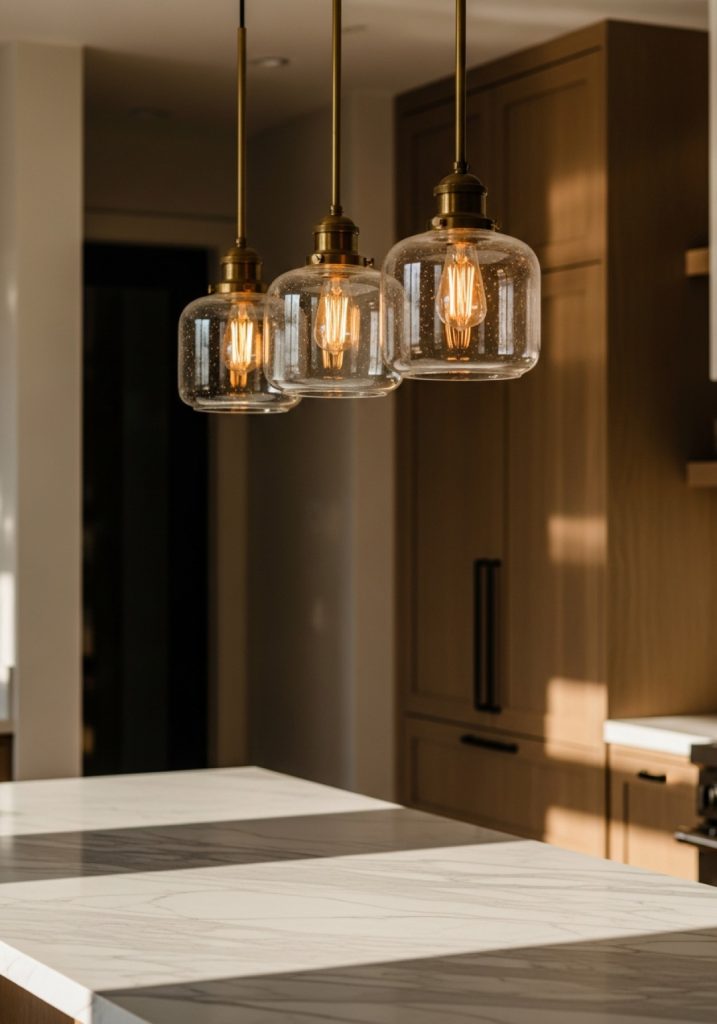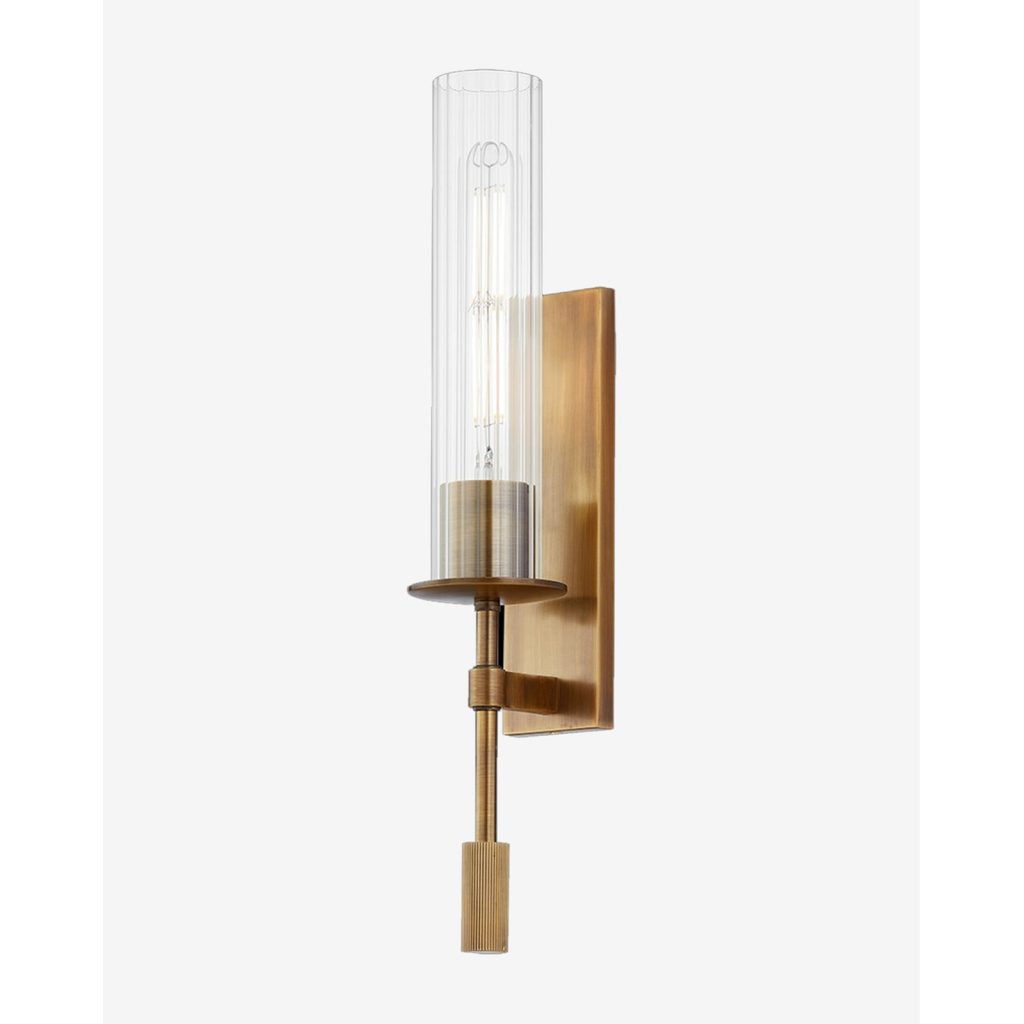
A wall sconce does a lot of quiet work. It softens a hallway, frames a mirror, adds a warm layer beside the bed, and gives a room that finished, designed look that a single overhead fixture never quite manages. But here is the catch: a beautiful sconce hung two inches too high or too low can throw off an entire wall. Get the height right and the fixture feels intentional. Get it wrong and it reads like an afterthought.
The good news is that sconce placement follows reliable rules. Once you know the standard height and the few adjustments that matter room by room, you can hang with confidence. This guide gives you the exact numbers.
The quick answer: where most wall sconces belong
For general wall lighting, hang a sconce so its center sits about 60 to 72 inches from the finished floor, with 66 inches as a safe, attractive default. That range puts the fixture at roughly eye level for a standing adult, which is where sconces look balanced and cast the most flattering light.
From there, you adjust based on two things: the room, and the job the sconce is doing. A reading sconce beside a bed lives lower than a decorative sconce flanking a fireplace. A bathroom vanity light is positioned around your reflection, not your floor. The sections below walk through each case.
Why eye level is the magic zone
Hanging at eye level is not just a styling preference. When a sconce sits too high, it throws light up at the ceiling and leaves faces and surfaces in shadow. Too low, and the bulb glares straight into your line of sight and the fixture feels cramped against furniture. Around 60 to 72 inches, the light spreads down and out across the wall the way it is meant to, and shaded or alabaster fixtures hide the bulb from view at a natural standing angle.
One more reason the rule holds: most rooms share a standard 8-foot ceiling and similar furniture heights, so eye-level placement keeps a pair of sconces in conversation with everything around them.
Room-by-room placement
Living rooms and general walls
Treat living-room sconces as part of your layered lighting. Center them 60 to 72 inches from the floor. When you are flanking a fireplace, a piece of art, or a console, keep the pair symmetrical and leave roughly 6 to 12 inches of breathing room between the fixture and the edge of what it frames. Sconces here are about ambience, so warm, downward-friendly shapes work beautifully.
Bedrooms and bedside sconces
Bedside sconces free up the nightstand and add a soft glow for winding down. Aim for the center of the fixture about 30 to 36 inches above the top of the mattress, which usually lands in the 60-to-72-inch range from the floor. If you read in bed, lean toward the lower end and choose a sconce with an adjustable or downward-facing shade so light falls on the page, not into your partner’s eyes.
Bathrooms and vanities
Vanity lighting is positioned around your reflection rather than your floor. Mount a pair on either side of the mirror at about 60 to 66 inches from the floor, or roughly eye level, and space them 28 to 40 inches apart depending on mirror width. Side-mounted sconces are the designer’s choice because they light the face evenly and erase the harsh under-eye shadows that a single overhead fixture creates. If you must mount above the mirror, place the fixture around 75 to 80 inches up and center it over the basin.
Hallways and entryways
In a hallway, keep sconces at 60 to 72 inches and space them evenly every 8 to 10 feet so the corridor stays bright without dark gaps. In an entryway, flank the door or a console table at the same height to create a welcoming, gallery-like first impression.
Staircases
Stairs are the one place you let the height step with the architecture. Rather than holding a single number, mount each sconce about 60 inches above the nose of the tread directly below it, so the fixtures climb the wall in even rhythm with the stairs. Consistency in spacing matters more than a fixed floor measurement here.
Outdoor entries
For a front door or garage, center an exterior sconce around 66 to 72 inches from the threshold, aligned with the upper third of the door. A matched pair flanking the entry reads as the most polished, but a single sconce on the handle side works when space is tight. Choose a damp- or wet-rated fixture for covered and exposed locations respectively.
Spacing pairs and flanking mirrors, beds, and art
Whenever you hang two sconces as a pair, symmetry is everything. Match their heights exactly, keep equal distance from whatever they frame, and let the object in the middle, whether a mirror, headboard, or artwork, set the spacing. A good rule: the taller or wider the centerpiece, the more space the sconces need so the arrangement breathes instead of crowding.
Switching, dimming, and bulbs
Hardwired sconces give the cleanest look and are ideal for new builds or renovations. Plug-in styles with a cord and wall switch are a renter-friendly alternative and save the cost of an electrician. Whichever you choose, put your sconces on a dimmer if you can. Layered lighting lives or dies on dimmers, and a sconce dialed to a low, warm glow is what makes a room feel calm at night.
For the light itself, a warm color temperature around 2700K flatters skin tones and finishes, and works in nearly every room outside of task-heavy spaces. Match the bulb’s brightness to the job: gentle and ambient for bedrooms and living rooms, a bit brighter for vanities and hallways where you need to see clearly.
Common mistakes to avoid
- Hanging too high. The most frequent error. When in doubt, drop to eye level rather than reaching for the ceiling.
- Mismatched pair heights. Even a half inch of difference between two sconces is visible. Measure twice.
- Ignoring the furniture. A sconce that looks fine on a bare wall can collide with a headboard, console, or mirror once the room is furnished. Plan around what will actually sit beneath it.
- Glare at eye level. If a bare bulb sits in your sightline, choose a shaded, frosted, or alabaster fixture that diffuses the source.
- Wrong scale for the wall. A delicate sconce disappears on a tall, wide wall; an oversized one overwhelms a narrow hallway. Let the wall set the size.
Frequently asked questions
How high should a wall sconce be in a bathroom?
Mount vanity sconces beside the mirror at about 60 to 66 inches from the floor, roughly eye level, and space a pair 28 to 40 inches apart based on mirror width. Above-mirror fixtures go higher, around 75 to 80 inches.
How high should sconces be beside a bed?
Aim for the center of the fixture about 30 to 36 inches above the top of the mattress, which usually falls in the 60-to-72-inch range from the floor. Go lower if you read in bed.
How far apart should a pair of wall sconces be?
Let the object between them set the spacing. Flanking a mirror or headboard, 28 to 40 inches apart is typical, with equal distance from the frame on each side. The wider the centerpiece, the more space the pair needs.
Should wall sconces be hardwired or plug-in?
Hardwired sconces give the cleanest, most permanent look and are ideal during a build or remodel. Plug-in sconces are perfect for renters or rooms without existing wiring, since they need only an outlet and a wall switch.
How many sconces do I need in a hallway?
Space them evenly every 8 to 10 feet so the corridor stays bright with no dark stretches. A short hall may need only one well-placed fixture; a long one looks best with a rhythmic series.
Final thoughts
Wall sconces reward a little precision. Start with eye level, around 66 inches, adjust for the room and the job, and keep pairs perfectly matched, and your lighting will look like it was planned by a designer, because it was. When you are ready to choose the fixtures themselves, explore our wall sconce collection for shapes and finishes that suit every room above. For overhead layers that work alongside them, our chandeliers and low-profile flush mount lights complete the look.